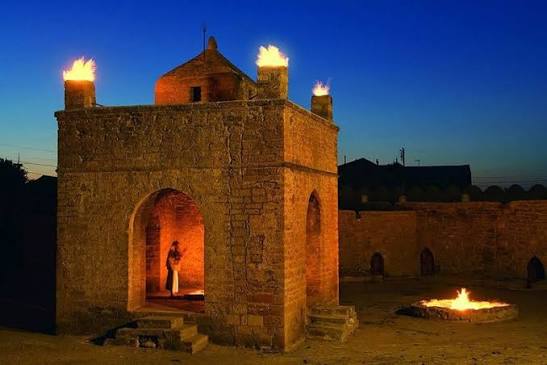
The Ateshgah Fire Temple (often called the "Fire Temple of Baku") is a castle-like religious complex located in the Surakhani suburb of Baku, Azerbaijan. Based on Persian and Indian inscriptions, the temple was historically used as a Hindu, Sikh, and Zoroastrian place of worship. The pentagonal complex, which features a central altar surrounded by cells for ascetics, was built during the 17th and 18th centuries. Храм огня Атешгях — это уникальный историко-архитектурный комплекс в форме пятиугольника, расположенный в пригороде Сураханы в Баку. Основываясь на древних санскритских и персидских надписях, этот замок-храм служил местом поклонения для индуистов, сикхов и зороастрийцев. Комплекс с центральным алтарем был возведен в XVII–XVIII веках.
The Land of Eternal FiresЗемля Вечных Огней
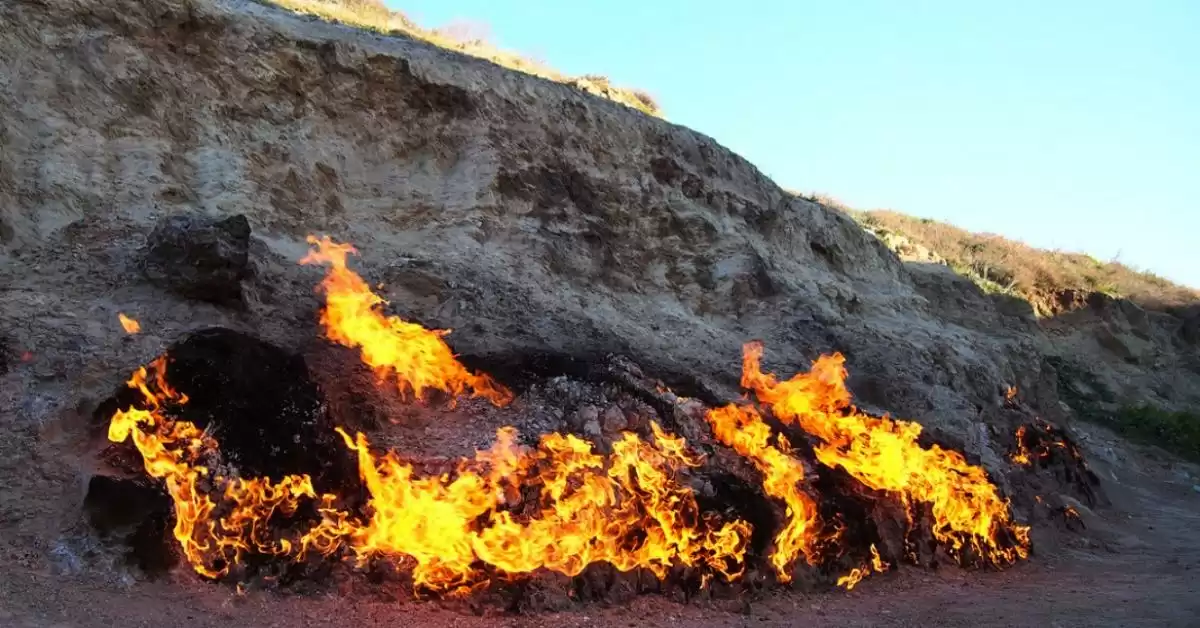
Azerbaijan has long been famously known as the "Land of Fire" due to its rich underground oil and natural gas reserves. Ateshgah was built over a pocket of natural gas that continuously fueled a natural flame rising directly from the ground. This phenomenon attracted holy ascetics and merchants from India and Persia who traveled along the Silk Road. Today, the natural flame is supplemented by Baku's main gas pipeline, preserving the historical spectacle for global travelers. Азербайджан издавна называют «Страной огней» из-за обилия подземных запасов нефти и газа. Атешгях был построен на месте естественного выхода природного газа, который непрерывно горел прямо из земли. Этот феномен привлекал паломников и купцов из Индии и Персии, шедших по Шелковому пути. Сейчас огонь поддерживается искусственно для сохранения исторического облика.
Sacred Inscriptions and Ascetic LifeСвященные надписи и жизнь аскетов
The temple complex consists of 24 small rooms or cells (balakhane) where monks lived a strict ascetic lifestyle, practiced extreme meditation, and welcomed travelers. Each cell now serves as a museum exhibit displaying ancient tools, clothing, and re-enacted scenes of ritual worship. Visitors can observe more than a dozen authentic stone inscriptions written in Sanskrit, Punjabi (Gurmukhi), and Persian, dedicated to Lord Shiva, Lord Ganesha, and Holy Fire. Комплекс состоит из 24 келий, где монахи вели строгий аскетичный образ жизни и принимали торговцев. Каждая келья сегодня — это музейная экспозиция с восковыми фигурами, воссоздающими сцены ритуалов. На стенах сооружения сохранились уникальные каменные плиты с надписями на санскрите, гурмукхи и персидском языках, посвященные Шиве, Ганеше и Священному Огню.
External Resources & Sources: Wikipedia – Ateshgah of Baku, Official Tentative List Nominee UNESCO World Heritage Centre. Внешние ресурсы и источники: Википедия – Атешгях, страница номинации на сайте Центра всемирного наследия ЮНЕСКО.